(877) 786-1789

contact@paylessautoshippingservices.com

EV Charging: A Complete Guide for New Electric Vehicle Owners

Posted On : 08/12/2025

8 min(s) to read

EV Charging

Table of Contents

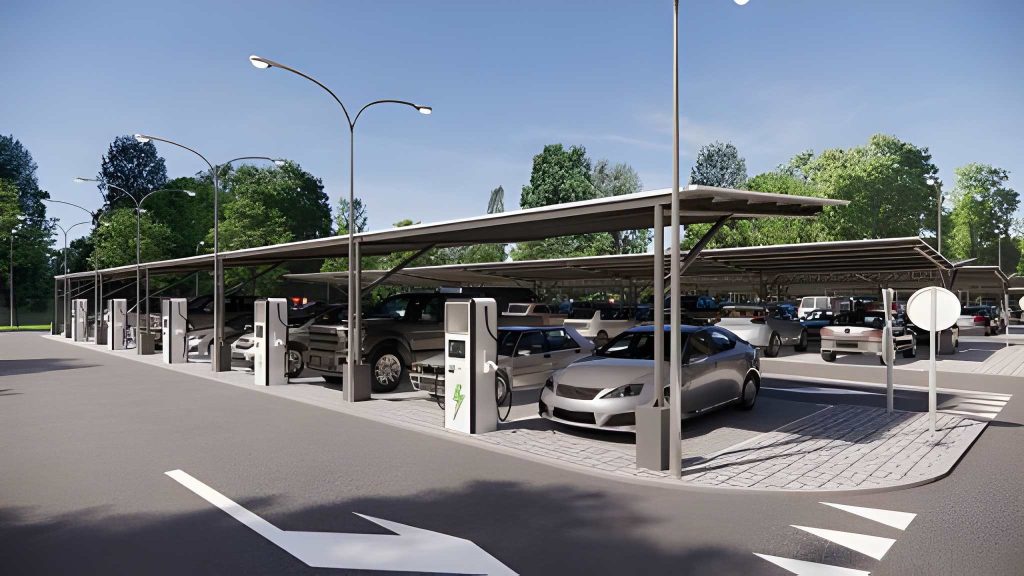
Switching from a gas-powered vehicle to an electric vehicle (EV) means developing a new fueling mindset. Instead of stopping at gas stations, most EV drivers treat charging like plugging in a smartphone. Your EV can charge overnight at home, at work, or at thousands of public charging stations across the country.

The biggest adjustment is availability—gas stations are everywhere, but EV charging stations are still growing in number. This can cause range anxiety, especially in rural areas. Fortunately, charging infrastructure is expanding rapidly, and more fast-charging networks are appearing nationwide.

EV charging is categorized into three levels, each offering different charging speeds and power output. Charging rates are measured in kilowatts (kW), and your EV’s compatibility determines how fast it can refill its battery.

Level 1 Charging

Level 1 charging uses a standard 120-volt household outlet and delivers 1–2 kW. It’s the slowest method but also the easiest to access.

Great for:

  • Overnight charging

  • Short daily commutes

  • Plug-and-go convenience

Charging from empty to full may take 20+ hours, but for many drivers, daily overnight charging keeps the battery topped up.

Level 2 Charging

Level 2 charging uses a 240-volt outlet and delivers 3–19 kW, making it much faster than Level 1. Most public chargers and home charging stations fall into this category.

Great for:

  • Home charging with a dedicated unit

  • Faster daily charging

  • Suburban and urban EV owners

A full charge typically takes 5–6 hours.

If installing a Level 2 charger at home, make sure your electrical panel can support it and check for EV tax credits or rebates in your area.

Level 3 DC Fast Charging

DC fast chargers are the quickest option and are typically found at public charging stations, especially along highways.

These chargers deliver 50–350+ kW, allowing you to charge your EV in 15–45 minutes.

Great for:

  • Long road trips

  • Drivers needing a fast top-up

  • Highway travel

Not all EVs can handle the highest charging speeds, so actual results depend on your vehicle’s battery and charging capability.

Charging speed depends on more than the charger level. Other factors include:

  • Battery size

  • Current battery level (state of charge)

  • EV model and charging limits

  • Weather/temperature

  • Charger availability and output

As EV technology evolves, manufacturers continue improving charging efficiency to reduce wait times.

Finding charging stations is essential for long trips and EV ownership, especially outside major cities.
Common charging providers include:

  • ChargePoint

  • Tesla Supercharger (NACS connector)

  • EVgo

  • Electrify America

Apps like PlugShare, A Better Routeplanner (ABRP), and Google Maps help you locate available chargers, check real-time status, and compare pricing.

Payment options vary by network:

  • Subscription plans

  • Pay-as-you-go

  • App-based billing

  • Member discounts

Pricing can change based on electricity rates, charging speed, and the operator.

Useful links for EV owners:

  • U.S. Department of Energy – Alternative Fuels Data Center

  • National EV Charging Station Map

  • EV battery care and maintenance guide

  • EV 101: What to Know When Buying an Electric Car

  • Top Electric Cars for 2024 and Beyond

  • Best Websites to Buy a Used Car

Is at-home EV charging better than public charging?

Both have advantages, but home charging is typically more convenient. Level 1 and Level 2 chargers let you plug in when you get home, eliminating the need to search for available public chargers. Public charging is useful on road trips or when you need a faster charge.

Is DC fast charging bad for my EV battery?

Occasional use is fine, but frequent fast charging can reduce long-term battery health. For daily charging, stick to Level 1 or Level 2 to preserve battery lifespan.

Will my EV have enough battery for long road trips?

Yes—long trips are easy with proper planning. Use charging apps to map out stops and build charging breaks into your itinerary. Remember, charging takes longer than pumping gas, so plan short rest periods.

Should I fully charge my EV to 100%?

Most manufacturers recommend charging to 80% for daily use. Charging past 80% slows dramatically and can contribute to long-term battery degradation. Reserve 100% charges for long road trips where you need maximum range.

Related Articles

No more posts to show

Free Auto Shipping Cost Calculator