



Useful
Discover the most common car shipping scams and how Payless Auto Shipping keeps you protected with transparent pricing and verified carriers.
contact@paylessautoshippingservices.com
December 16, 2025
6 min(s) to read

Distracted driving refers to any activity that takes a driver’s attention away from the road. Even a brief distraction can result in serious consequences, including traffic violations, accidents, injuries, or fatalities.
Common examples of distracted driving include:
Texting or checking notifications
Talking on a handheld phone
Eating or drinking
Adjusting navigation systems
Reaching for items inside the vehicle
Grooming, such as fixing hair or applying makeup
Using in-car entertainment or dashboard controls
Distracted driving affects all motorists, from daily commuters to professional drivers, making it a nationwide safety concern.
Distracted driving is generally classified into four main categories:
Auditory distractions
Listening to sounds not related to driving, such as phone calls, loud music, podcasts, or alerts that divert focus.
Cognitive distractions
When a driver’s mind is elsewhere—daydreaming, stress, fatigue, or drowsy driving can significantly reduce reaction time.
Manual distractions
Taking one or both hands off the steering wheel, often due to eating, holding a phone, or adjusting vehicle controls.
Visual distractions
Looking away from the road, whether to read a text message, check GPS directions, or glance at a screen. Even one of these distractions can be dangerous—combined distractions increase crash risk substantially.
Distracted driving continues to be a major contributor to roadway accidents in the United States.
An estimated 44,000+ motor vehicle fatalities occurred in 2024, with distracted driving playing a significant role.
According to the CDC, approximately nine people are killed every day in crashes involving distracted drivers.
The National Highway Traffic Safety Administration (NHTSA) reports that:
8% of fatal crashes
14% of injury crashes
13% of all police-reported crashes
involved driver distraction.
Surveys show that nearly half of U.S. drivers admit to texting or reading messages while driving.
Younger drivers are disproportionately affected:
Drivers aged 25–34 account for a large share of distraction-related fatal crashes.
Teen drivers are among the most likely to be distracted by mobile devices.
As technology becomes more integrated into daily life, managing distractions behind the wheel is more important than ever.
Most states have enacted laws aimed at reducing distracted driving, especially related to mobile phone use. However, regulations vary by state.
Key points include:
No state completely bans all cell phone use for all drivers
Texting while driving is prohibited for all drivers in 49 states
Handheld cell phone use is banned in 29 states
Many states restrict phone use for:
Novice drivers
School bus drivers
Drivers are encouraged to review their local laws to ensure compliance and avoid penalties.
Penalties for distracted driving vary widely by state and offense severity.
Fines can range from $50 to over $1,000
Repeat offenses often carry higher fines
Some states impose:
Points on a driver’s license
License suspension
Possible jail time
In addition to fines, distracted driving violations can lead to insurance premium increases of 20–50% or more, depending on the provider and violation history.
Distracted driving is one of the most preventable causes of traffic accidents. Awareness campaigns help educate drivers on the risks and encourage safer habits behind the wheel.
Improving focus while driving:
Reduces accidents and injuries
Protects pedestrians and cyclists
Saves lives
Staying alert and minimizing distractions benefits everyone on the road.
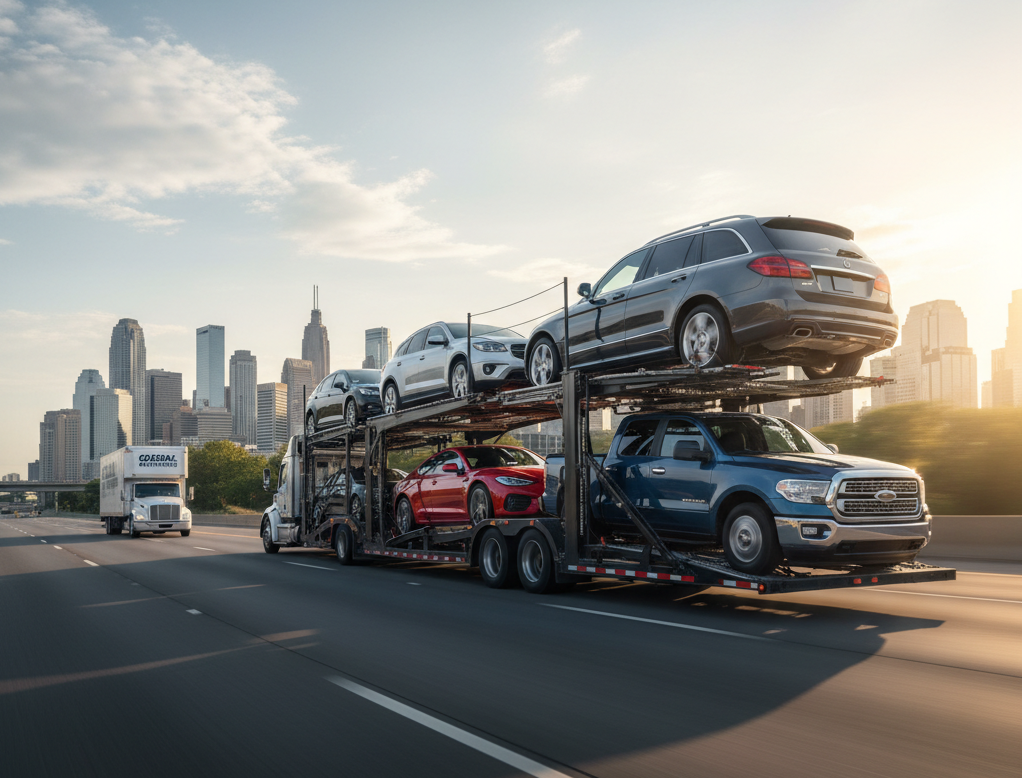
At Payless Auto Shipping Services, safety is a top priority. Whether you need to transport a car, truck, SUV, motorcycle, or specialty vehicle, we work only with licensed, insured, and safety-vetted carriers.
Our commitment includes:
Thorough carrier screening
Compliance with federal safety regulations
Reliable, nationwide vehicle transport services
We proudly serve customers across all 50 states, including Alaska and Hawaii, with a focus on secure and dependable auto shipping.
Get your free auto shipping quote today or speak with one of our experts to arrange safe vehicle transport you can trust.
Discover the most common car shipping scams and how Payless Auto Shipping keeps you protected with transparent pricing and verified carriers.
Car Shipping Prices Change due to seasons, fuel rates, weather, and truck availability. Learn how Payless Auto Shipping Services protects you from unexpected price increases.