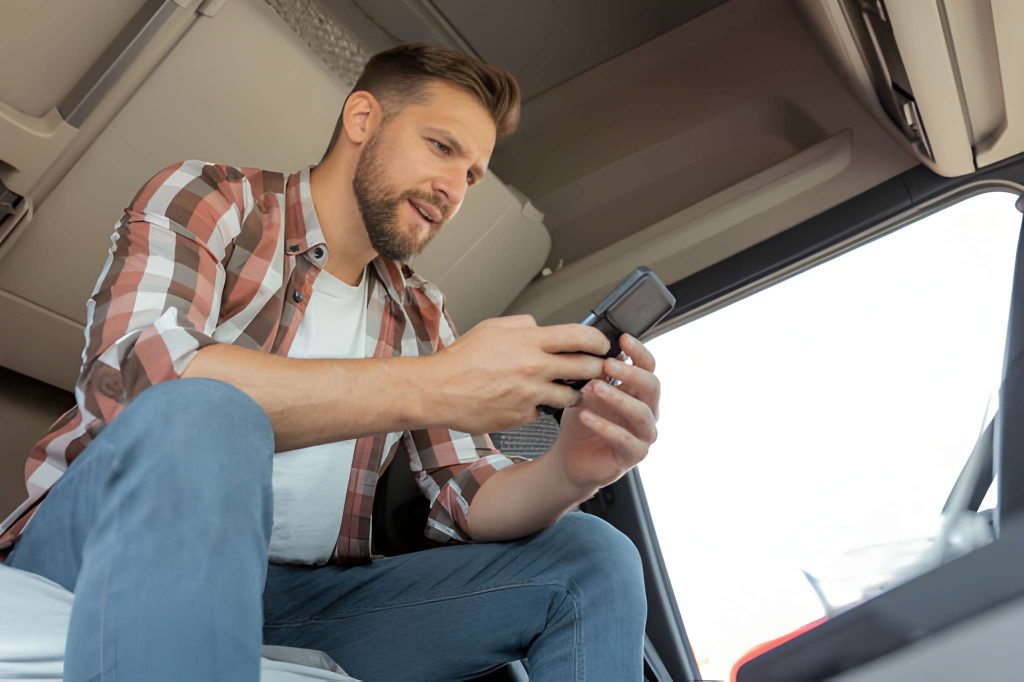

Learn how auto shipping and trucking companies can prevent cyberattacks in 2026. Discover common threats and cybersecurity tips for safer operations.
contact@paylessautoshippingservices.com
December 17, 2025
3 min(s) to read
The internet plays a major role in today’s trucking and auto transport industry. Truckers and small business owners rely on online platforms to advertise services, connect with dispatchers, and find hauling opportunities. While the internet creates countless opportunities, it also introduces serious cybersecurity risks.
Facebook remains one of the most widely used platforms in the world, with billions of active users. Many truckers and car haulers join Facebook groups to exchange tips, discuss industry challenges, and sometimes look for work. While these groups can be useful for networking, they are not always safe places to conduct business.
One of the most common scams in trucking-related Facebook groups involves fake dispatchers. Scammers often pose as legitimate dispatchers or brokers and advertise their services in posts, comments, or direct messages.
Once a driver responds, the scammer may request sensitive information such as:
DOT number
MC number
Business name and address
With this information, scammers can impersonate the carrier, book loads under their identity, and collect payments without completing deliveries. In some cases, the victim doesn’t realize the scam until a customer or broker contacts them about a missing shipment.
Not every suspicious post is easy to spot, but many scams share common warning signs. If an offer seems too good to be true, it usually is.
Check the User Profile
Look closely at the profile contacting you. Does it have a real name, profile photo, and posting history? Fake accounts often lack long-term activity, friends, or business details.
Verify the Business
Search the business name online. Legitimate companies typically have:
A professional website
Google or BBB listings
Online reviews
If you can’t find any verified information, proceed with caution.
Protect Your Personal Information
Never share sensitive business details unless you’ve verified who you’re speaking with. DOT numbers, MC numbers, and insurance details should only be shared with trusted, verified brokers or platforms.
Another important step truckers should take is securing their own social media and business accounts.
Enable two-factor authentication (2FA) on Facebook, email, and any platforms you use for work. This adds an extra layer of protection by requiring a one-time code in addition to your password.
Many scams don’t just rely on tricking users—they also involve hacking weak accounts. Using strong, unique passwords and enabling 2FA makes it significantly harder for scammers to take control of your profile and impersonate you to customers, brokers, or dispatchers.
The safest way to conduct business online is by using verified and moderated platforms. Instead of relying on Facebook groups for dispatch services, consider working with:
Licensed auto transport brokers
Official load boards
Reputable auto shipping companies
These platforms invest in security, verification, and user screening to reduce the risk of fraud. While some require a subscription or onboarding process, that extra step helps protect your business and reputation.
Payless Auto Shipping Services works with a trusted network of licensed, insured, and FMCSA-compliant carriers nationwide. We prioritize security, transparency, and professionalism to protect both carriers and customers throughout the vehicle shipping process.
If you’re a trucker or carrier looking to work with a reliable auto shipping partner—or a customer searching for safe vehicle transport—Payless Auto Shipping Services is here to help.
📞 Contact us today to learn more or request a free quote.

Learn how auto shipping and trucking companies can prevent cyberattacks in 2026. Discover common threats and cybersecurity tips for safer operations.

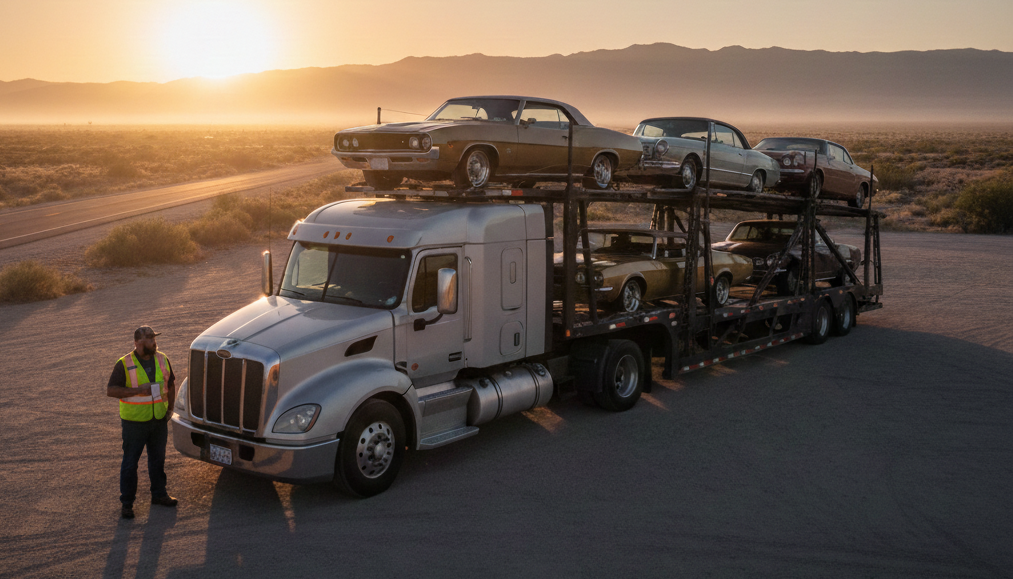
Discover what a typical day looks like for an auto transport trucker—from loading vehicles to delivery, safety rules, and life on the road.