


Electric Vehicles
Discover the best EVs for city driving in 2025. Explore compact, fast-charging, affordable electric cars perfect for urban streets, tight parking, and daily commutes.
contact@paylessautoshippingservices.com
Posted On :15/01/2026
7 min(s) to read
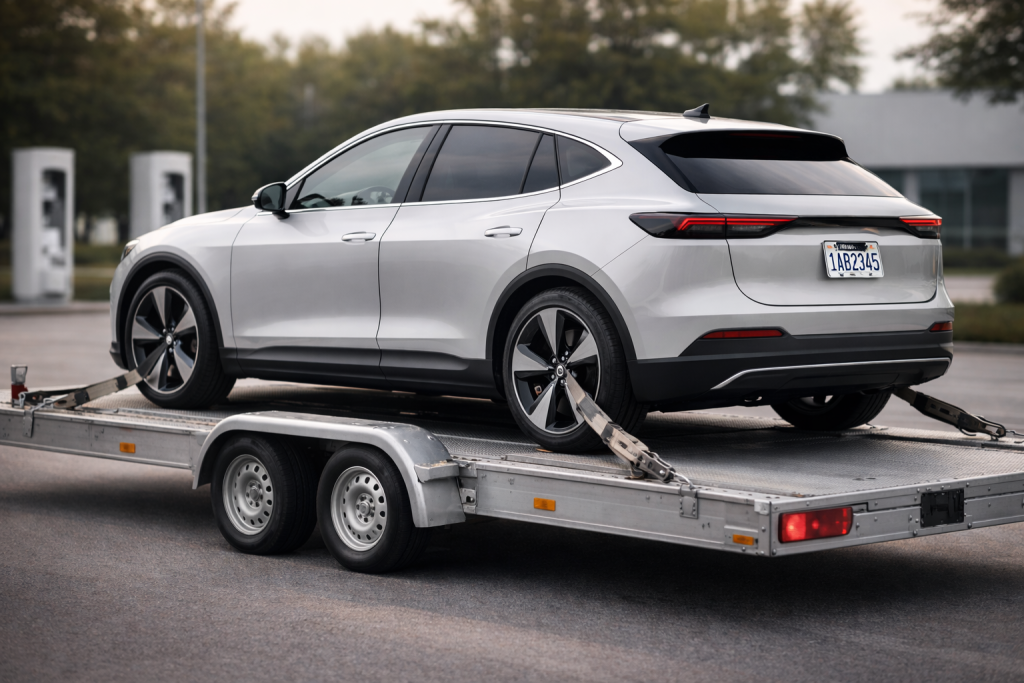
Electric vehicles (EVs) are no longer the future—they are the present. With millions of electric cars on U.S. roads in 2026, more owners than ever are asking an important question: How do you safely ship an electric car?
Shipping an EV is not the same as transporting a gas-powered vehicle. From high-voltage batteries to weight distribution and safety protocols, electric cars require special attention during transport. Whether you’re relocating, buying an EV online, or shipping a vehicle across state lines, this guide explains everything you need to know about EV batteries, safety considerations, and shipping costs in 2026.
Electric vehicles rely on high-capacity lithium-ion batteries, making them heavier and more complex than traditional cars. These differences affect how carriers handle, load, and transport EVs.
Key differences include:
Higher curb weight due to battery packs
Sensitive electronic systems
Battery safety and charge-level requirements
Manufacturer transport guidelines
Because of these factors, choosing an experienced auto transport company is essential when shipping an electric vehicle.
In 2026, most carriers require EV batteries to be charged between 20% and 50% before pickup.
Why this matters:
Reduces fire risk during transport
Prevents deep battery discharge
Allows safe loading and unloading
Fully charged or completely drained batteries may result in delays or refusal of pickup.
Auto transport carriers follow updated safety guidelines for lithium-ion batteries, including:
Visual inspection for battery damage or recalls
No active charging during transport
Secure positioning to prevent battery stress
If your EV has an active recall related to battery safety, it must be resolved before shipping.
Open EV Transport
Best for: Daily drivers, short-to-medium distances
Pros:
Lower cost
Faster scheduling
Widely available
Cons:
Exposure to weather and road debris
Enclosed EV Transport
Best for: Luxury EVs, long distances, premium protection
Pros:
Full protection from weather and debris
Ideal for Tesla, Lucid, Rivian, and luxury EVs
Cons:
Higher cost
Limited availability
For high-value electric vehicles, enclosed transport is often the safest choice.
EV shipping costs depend on several factors:
Average EV Shipping Costs (2026)
Short distance (under 500 miles): $500 – $900
Mid-range (500–1,200 miles): $900 – $1,400
Cross-country: $1,300 – $2,200
Factors That Affect EV Transport Pricing
Vehicle weight (EVs are heavier)
Transport type (open vs enclosed)
Distance and route demand
Pickup and delivery location
Seasonal demand
While EVs may cost slightly more to ship due to weight, pricing remains competitive with traditional vehicles.
Before pickup, EV owners should take these steps:
Reduce battery charge to 20–50%
Disable alarms and tracking features
Remove personal items from the vehicle
Photograph the vehicle’s condition
Confirm charging access at delivery location
Following these steps helps prevent delays and ensures a smooth transport experience.
Most auto transport companies do not allow personal items in electric vehicles due to:
Weight restrictions
Insurance limitations
Battery safety concerns
Always remove all belongings before shipment to avoid complications.
Common EVs shipped nationwide include:
Tesla Model 3, Model Y, Model S, Model X
Rivian R1T and R1S
Ford Mustang Mach-E
Chevrolet Bolt EUV
Hyundai Ioniq and Kia EV6
Each model has unique dimensions and battery placement, making professional handling critical.
Shipping an electric car requires experience, precision, and attention to safety. Payless Auto Shipping Services offers reliable EV transport solutions across the U.S.
Benefits of Shipping Your EV with Payless
Nationwide network of vetted carriers
Open and enclosed EV transport options
Transparent pricing with no hidden fees
Experience handling electric and hybrid vehicles
Friendly, knowledgeable support team
From compact EVs to luxury electric SUVs, Payless ensures your vehicle arrives safely and on time.
Yes—when done correctly. Electric vehicle shipping in 2026 is safer and more efficient than ever, thanks to improved carrier standards and EV-specific handling procedures. Choosing the right transport partner and preparing your vehicle properly makes all the difference.
If you’re planning to ship an electric car, trust professionals who understand the technology behind it.
👉 Request a free EV shipping quote today with Payless Auto Shipping Services.
Discover the best EVs for city driving in 2025. Explore compact, fast-charging, affordable electric cars perfect for urban streets, tight parking, and daily commutes.
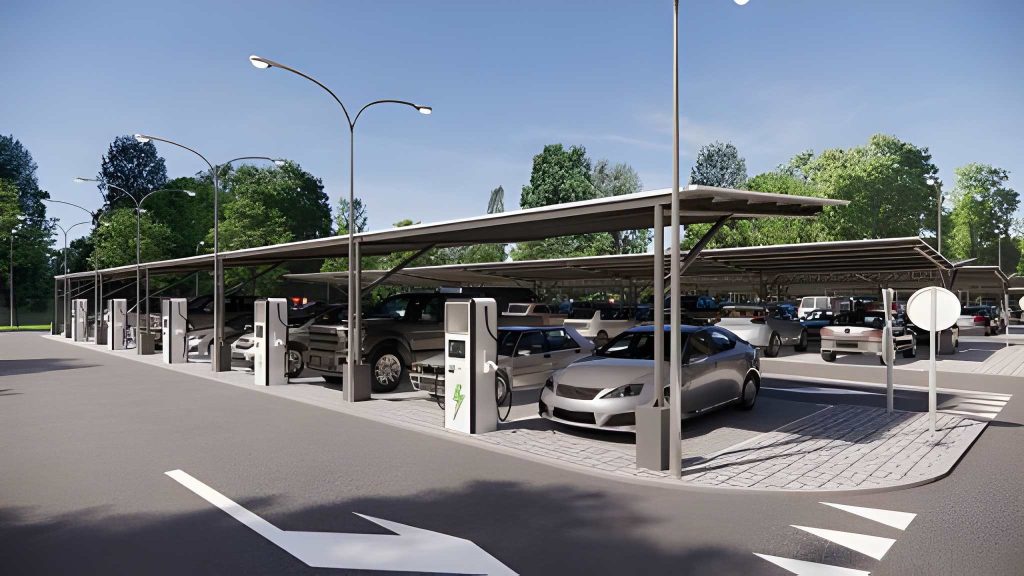
Learn how EV charging works, from Level 1 to DC fast charging. Explore charge times, public stations, and tips for EV owners in this complete guide from Payless Auto Shipping.