
(877) 786-1789

contact@paylessautoshippingservices.com

Car Shipping Guide 2026: Costs, Methods, Rules & Real Scenarios Explained

Posted On :24/01/2026

12 min(s) to read

Car Shipping Guide

Table of Contents

Car shipping has become an essential service in modern life. Whether you’re relocating, buying a car online, shipping an electric vehicle, moving a luxury car, or transporting a fleet, professional auto transport saves time, money, and risk.

But most people make costly mistakes because they don’t understand how car shipping actually works.

This ultimate guide explains everything — costs, methods, rules, timelines, risks, and real-world scenarios — so you can make the smartest decision possible.

This is the most complete car shipping resource on the internet.

Car shipping is the process of transporting vehicles using professional carriers instead of driving them long distances.

Why Car Shipping Is Growing in 2026

  • Online car buying boom

  • Remote work & relocation

  • Electric vehicle adoption

  • Military transfers

  • Snowbird migration

  • Dealership logistics

  • Fleet transportation

✅ Fact: Over 15 million vehicles are transported annually in the U.S.

Step-by-Step Process

  1. Request a quote

  2. Choose transport type

  3. Schedule pickup

  4. Prepare your vehicle

  5. Inspection & documentation

  6. Loading onto carrier

  7. Transit & tracking

  8. Delivery & final inspection

Typical Timeline

  • Local shipping: 1–2 days

  • Interstate shipping: 3–6 days

  • Cross-country shipping: 7–12 days

Short Distance (0–500 miles)

  • Best method: Open transport

  • Typical cost: $200–$700

  • Ideal for: State-to-state moves

Mid Distance (500–1,500 miles)

  • Typical cost: $600–$1,800

  • Most common routes in the US

Long Distance (1,500+ miles)

  • Typical cost: $1,000–$3,500+

  • Best for cross-country shipping.

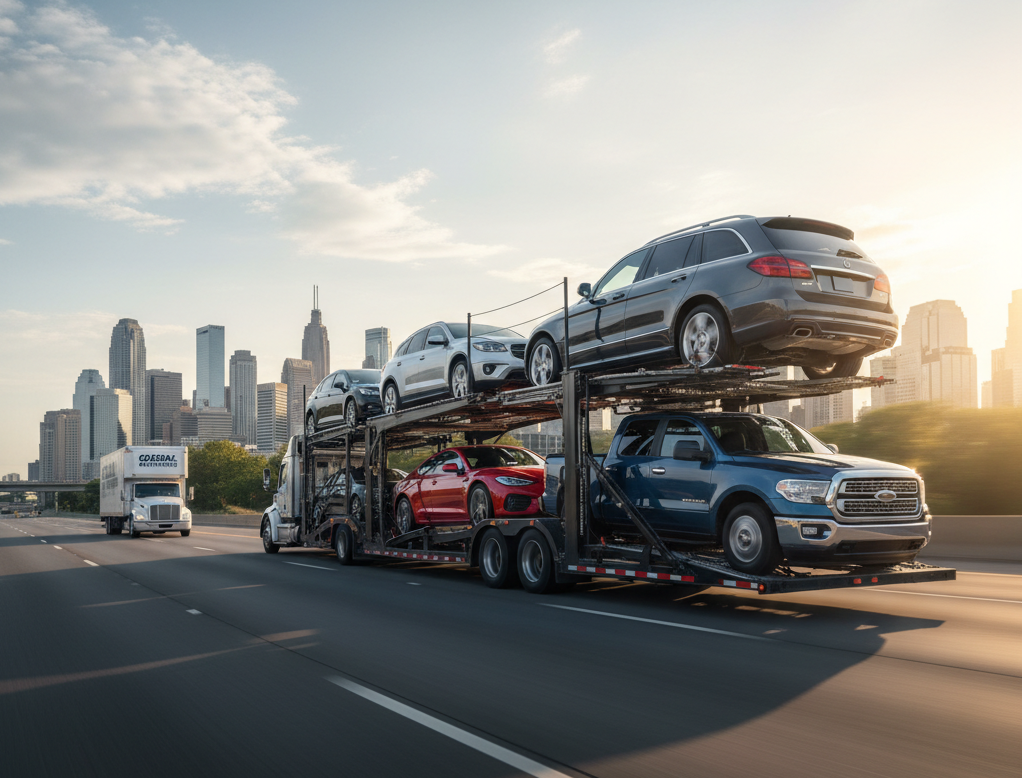
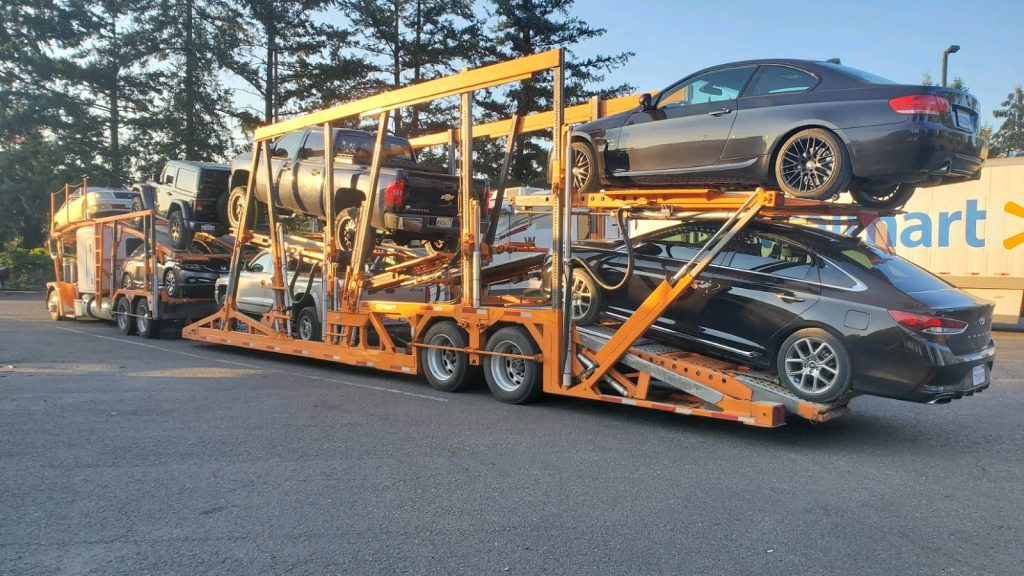
Open Auto Transport (Most Popular)

  • Cheapest option

  • Suitable for daily-use vehicles

  • Exposed to weather

Enclosed Auto Transport (Premium)

  • Maximum protection

  • Ideal for luxury, classic, exotic cars

Door-to-Door Shipping

  • Most convenient option

Terminal-to-Terminal Shipping

  • Lower cost, less convenience

Expedited Shipping

  • Faster delivery at higher cost

Car Shipping Cost by Distance: Real Price Examples (2026)

The cost of shipping a car varies significantly based on distance. Below are real-world estimates to help you understand how pricing works in 2026.

Short Distance (0–500 miles)

  • Average cost: $300 – $700

  • Example: New York to Ohio

  • Best method: Open transport

Medium Distance (500–1,500 miles)

  • Average cost: $700 – $1,400

  • Example: Texas to Florida

  • Best method: Open or enclosed transport

Long Distance (1,500–3,000 miles)

  • Average cost: $1,200 – $2,500

  • Example: California to New York

  • Best method: Open or enclosed transport

Cross-Country Shipping

  • Average cost: $1,500 – $3,000+

  • Example: Washington to Florida

  • Best method: Enclosed transport for luxury vehicles

Average Car Shipping Prices

DistanceTypical Cost
0–300 miles$250 – $650
300–1,000 miles$500 – $1,300
1,000–2,500 miles$900 – $3,500
Luxury vehicles+30% to +80%
Electric vehicles+15% to +45%
Non-running vehicles+20% to +60%
  • Distance & route demand

  • Vehicle size & weight

  • Transport method

  • Fuel prices

  • Seasonality

  • Pickup location

  • Vehicle condition

Average Delivery Time by Distance

Same state: 1–2 days

Neighboring states: 2–4 days

Cross-country: 7–12 days

Factors Affecting Timeline

Weather

Traffic

Carrier availability

Route popularity

Seasonal demand

Students

  • Cheapest seasonal car shipping

  • College relocation tips

Military Personnel

  • PCS moves and discounts

  • Government rules

Dealers & Auctions

  • Bulk vehicle transport

Expats & NRIs

  • International car shipping basics

Businesses & Fleets

  • Corporate logistics solutions

Standard Cars

  • Cheapest to ship

Electric Vehicles (EVs)

  • Heavier batteries

  • Special handling required

SUVs & Trucks

  • Higher cost due to size

Classic Cars

  • Enclosed transport recommended

Luxury & Exotic Cars

  • Premium handling + insurance

Non-Running Vehicles

  • Requires winches or special equipment

Motorcycles & ATVs

  • Specialized carriers

Preparing your vehicle properly is crucial to ensure a smooth and damage-free transport. Follow these steps to get your car ready for a long-distance journey:

  1. Clean Your Car: Wash both the exterior and interior. This helps you document any pre-existing scratches or dents, making it easier to compare during pickup and delivery.

  2. Document the Condition: Take detailed photos from multiple angles—inside and out—and keep a record of the vehicle’s current state.

  3. Remove Personal Items: Take out all personal belongings. Carriers typically won’t insure items inside.

  4. Check Fluid Levels and Tire Pressure: Ensure your car has about a quarter tank of gas (enough for loading and unloading) and that the tires are properly inflated.

  5. Disable Alarms: Turn off any car alarms or anti-theft devices to avoid disruptions during transit.

  6. Provide Keys: Ensure the driver has a working set of keys. They’ll need them for loading, unloading, and any inspection.

  7. Check for Leaks: Inspect your vehicle for any fluid leaks and address them prior to transport, as these can cause issues en route.

🏡 Relocation & Moving

Most common reason for car shipping.

🛒 Buying a Car Online

Out-of-state dealership purchases.

🎓 Students

Shipping cars between home and college.

🎖️ Military PCS Moves

Frequent vehicle relocation.

❄️ Snowbirds

Seasonal migration between states.

🏢 Corporate & Fleet Transport

Businesses moving multiple vehicles.

🚗 Dealership & Auction Shipping

Dealer logistics and inventory movement.

🏝️ Vacation Homes

Shipping vehicles to seasonal residences.

FeatureOpen TransportEnclosed Transport
CostLowHigh
ProtectionBasicMaximum
Best ForDaily carsLuxury, classic, exotic
Weather ExposureYesNo
AvailabilityHighLimited

Car shipping companies must follow:

  • FMCSA regulations

  • DOT licensing

  • Carrier insurance requirements

  • Weight & safety laws

✅ Always verify MC number & insurance.

Types of Coverage

  • Carrier liability insurance

  • Cargo insurance

  • Supplemental coverage

Safety Checklist

Take photos before pickup
Remove personal items
Check insurance limits
Inspect vehicle on delivery

Common Mistakes

  • Choosing the cheapest quote blindly

  • Booking late

  • Ignoring insurance

  • Not preparing the vehicle

Hidden Costs

  • Remote area fees

  • Oversized vehicle fees

  • Expedited shipping charges

  • Seasonal price spikes

Many people hesitate to ship their cars because of common misconceptions about auto transport. Understanding the difference between myths and facts can help you make informed decisions and avoid costly mistakes.

Below are the most common car shipping myths and the real facts behind them.

Myth 1: Car Shipping Is Always Expensive

✅Fact: Car shipping can be affordable, especially for long distances.

The cost of shipping a car depends on factors like distance, vehicle type, transport method, and season. In many cases, shipping a car cross-country is cheaper than driving it yourself when you consider fuel, hotels, food, and wear-and-tear.

💡 Example:
Driving from California to New York can cost $900–$1,500+, while shipping your car may cost $1,000–$1,300.

Myth 2: Your Car Will Get Damaged During Transport

✅ Fact: Professional car shipping is generally safe and insured.

Reputable auto transport companies use trained drivers, secure loading techniques, and insurance coverage to protect your vehicle. Damage during transport is rare, especially when you choose a licensed and insured carrier.

💡 Tip:
Always check the company’s USDOT number, MC number, and insurance details.

Myth 3: You Can Pack Personal Items Inside Your Car

✅ Fact: Most carriers restrict personal items.

While some carriers allow limited personal belongings, many prohibit them due to safety and insurance regulations. Excess weight can also increase shipping costs.

💡 Recommendation:
Confirm with your shipping company before placing items inside your vehicle.

Myth 4: Enclosed Transport Is Only for Luxury Cars

✅ Fact: Anyone can choose enclosed transport.

Enclosed transport is often used for luxury, classic, exotic, and high-value vehicles, but it’s also suitable for anyone who wants extra protection from weather and road debris.

Myth 5: Car Shipping Takes Too Long

✅ Fact: Car shipping is often faster than driving long distances.

Most domestic shipments within the U.S. take 2–7 days depending on distance and route. Expedited shipping options are also available.

💡 Example:

  • 500 miles: 1–2 days

  • 1,000 miles: 2–4 days

  • Cross-country: 5–8 days

Myth 6: All Car Shipping Companies Are the Same

✅ Fact: Quality and pricing vary significantly.

Some companies act as brokers, some are carriers, and others provide full-service solutions. Choosing a reliable company with transparent pricing and positive reviews is crucial.

💡 Tip:
Avoid companies that offer extremely low quotes with hidden fees.

Myth 7: You Must Be Present at Pickup and Delivery

✅ Fact: An authorized person can represent you.

If you can’t be present, you can assign a trusted person to hand over and receive the vehicle, as long as they can sign the Bill of Lading.

Myth 8: Car Shipping Has Hidden Fees Everywhere

✅ Fact: Transparent companies clearly explain costs.

While some companies add unexpected charges, reputable auto transport providers offer upfront pricing with clear explanations of additional fees such as expedited shipping or oversized vehicles.

Myth 9: Open Transport Is Unsafe

✅ Fact: Open transport is the most common and reliable method.

Around 90% of cars in the U.S. are shipped using open carriers. It’s safe, cost-effective, and widely used by dealerships and manufacturers.

Myth 10: You Should Always Choose the Cheapest Quote

✅ Fact: The cheapest option can cost more in the long run.

Very low quotes often indicate poor service, delays, or hidden charges. It’s better to choose a company that balances price, reliability, and service quality.

🚚 Ready to Ship Your Car?

If you’re looking for a reliable and affordable car shipping company, Payless Auto Shipping Services offers safe, nationwide vehicle transport with transparent pricing and professional support.
👉 Get a free quote today and ship your car with confidence.

✅ Book early
✅ Be flexible with dates
✅ Choose open transport
✅ Avoid peak seasons
✅ Compare quotes wisely

Most blogs never explain this.

Strategy 1: Route Optimization

Popular routes are cheaper than remote routes.

Strategy 2: Timing the Market

Best months to ship cars:

  • January–March (lowest prices)

  • September–November (stable prices)

Worst months:

  • May–August (peak demand)

Strategy 3: Broker vs Carrier Choice

  • Broker = more options

  • Carrier = direct pricing

Trends shaping car shipping:

  • EV transport growth

  • AI logistics

  • Real-time tracking

  • Eco-friendly carriers

  • Autonomous vehicle shipping

📈 Prediction: Car shipping demand will double by 2035.

Many people ask, “Why does car shipping cost vary so much?”

Car shipping prices are calculated using these key factors:

1. Distance

Longer distances usually lower the cost per mile but increase total cost.

2. Vehicle Size & Weight

  • Sedan: Lowest cost

  • SUV & truck: Higher cost

  • Luxury or oversized vehicles: Premium pricing

3. Transport Type

  • Open transport: Budget-friendly

  • Enclosed transport: Premium protection

4. Season & Demand

Peak seasons like summer and holidays increase prices.

5. Route Popularity

Major routes are cheaper than remote locations.

💡 Example:
Shipping a sedan 1,000 miles may cost $800–$1,400, while the same car shipped 2,000 miles may cost $1,200–$2,000.

Is it cheaper to ship or drive a car?

Shipping is often cheaper for long distances.

How long does it take to ship a car?

Short distances: 1–3 days
Cross-country: 5–10 days

What is the cheapest way to ship a car?

Open transport with flexible dates.

How far in advance should I book?

7–14 days before pickup.

Can I ship a car with items inside?

Usually not recommended.

Do I need to be present at pickup?

Not necessarily. You can authorize someone else.

Is my car insured during transport?

Yes, most carriers provide insurance coverage.

Whether you’re relocating, buying a car online, shipping an electric vehicle, or transporting a luxury car, Payless Auto Shipping Services delivers safe, reliable, and affordable auto transport across the United States.

Why Choose Payless Auto Shipping Services?

✔ Nationwide network of vetted carriers
✔ Open and enclosed transport options
✔ Transparent pricing with free quotes
✔ Experienced customer support team

🚀 Request a free quote today and experience stress-free car shipping.

If you want a fast overview of car shipping in 2026, here’s a simple breakdown:

  • ✅ Average car shipping cost: $700 – $2,500

  • ✅ Cheapest method: Open auto transport

  • ✅ Safest method: Enclosed auto transport

  • ✅ Typical delivery time: 3 – 10 days

  • ✅ Best booking time: 7 – 14 days in advance

  • ✅ Cheapest months: January – March, September – November

Related Articles

No more posts to show

Free Auto Shipping Cost Calculator