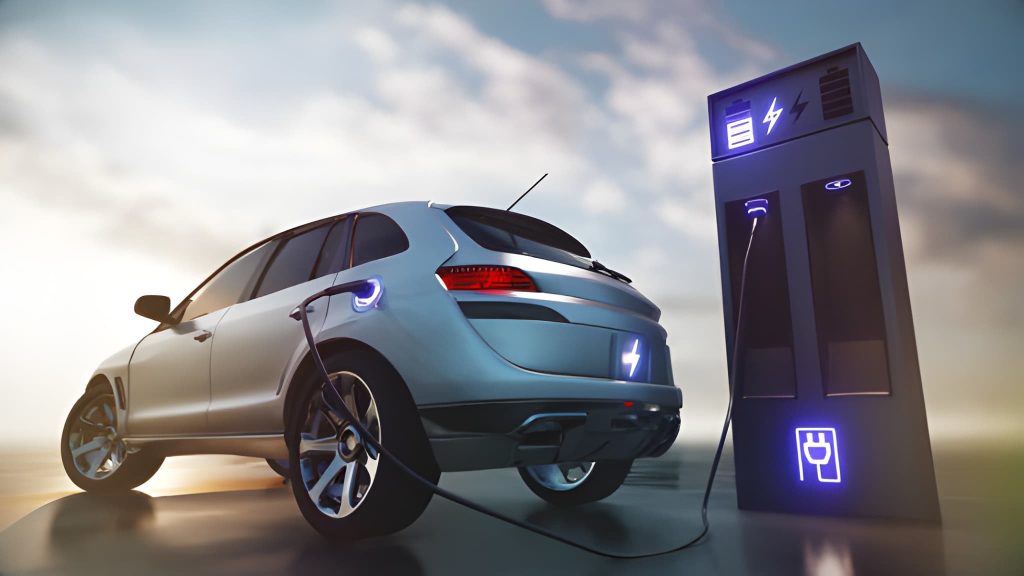

Discover the best EVs for city driving in 2025. Explore compact, fast-charging, affordable electric cars perfect for urban streets, tight parking, and daily commutes.
contact@paylessautoshippingservices.com
Posted On :19/12/2025
4 min(s) to read
The electric vehicle (EV) industry continues to evolve as automakers balance innovation, cost, and logistics. While EV adoption slowed slightly in recent years, more affordable models and government incentives are expected to drive renewed growth. Industry analysts predict steady increases in EV and hybrid sales over the next few years, creating both opportunities and challenges for manufacturers and vehicle shippers alike.
From production hurdles to transportation safety concerns, EVs introduce complexities that traditional gas-powered vehicles simply don’t have. Below are the six most significant challenges facing EV manufacturers and auto transport providers today.
The EV market is still finding its equilibrium. While demand remains strong overall, growth has slowed compared to earlier projections, leading to excess inventory at some dealerships. Manufacturers must carefully adjust production schedules to avoid overstock while still preparing for future demand spikes driven by new model launches and lower price points.
For shippers, fluctuating inventory levels can create uneven transport demand—busy periods followed by slower cycles—making logistics planning more challenging.
Electric vehicles are significantly more expensive to manufacture than internal combustion engine vehicles. The primary driver of these costs is battery production, which relies on rare and costly materials such as lithium, cobalt, and nickel.
These high production costs are often passed on to consumers, making EVs less accessible to price-sensitive buyers. While government tax credits and manufacturing incentives help offset some expenses, cost remains a major obstacle for widespread adoption.
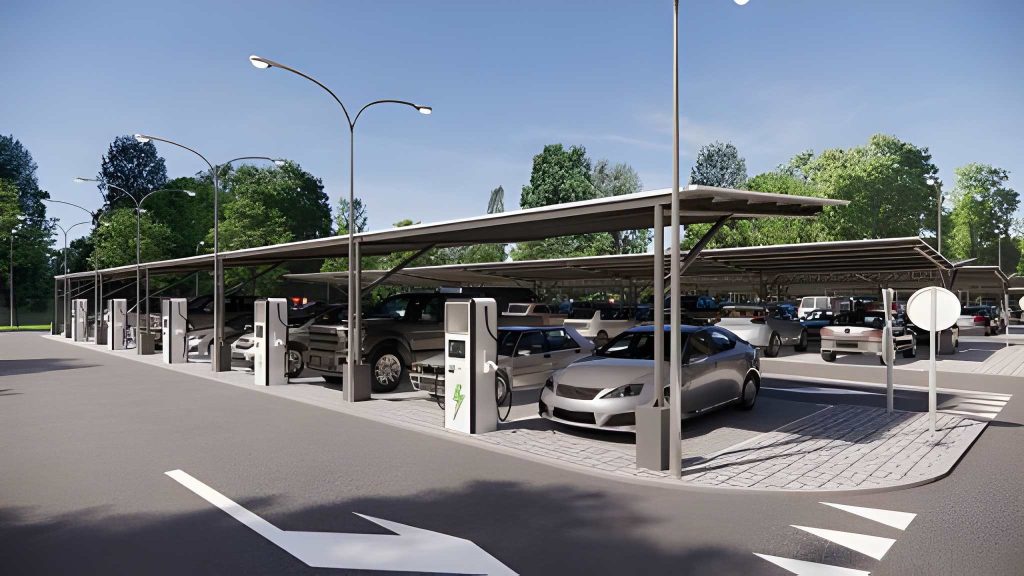
One of the biggest hurdles for EV growth is infrastructure. While gas stations are widespread, EV charging stations—especially fast chargers—are still limited in many regions.
Urban areas have seen improvements, but rural and long-distance travel routes often lack sufficient charging options. This infrastructure gap affects both buyers and manufacturers, as concerns about charging availability can delay purchasing decisions and reduce consumer confidence in EV ownership.
EV batteries are the heart of electric vehicles—and one of their biggest challenges. Battery packs are expensive, heavy, and sensitive to temperature extremes. Over time, battery capacity degrades, and replacement costs can be significant.
Additionally, the industry is still working toward efficient large-scale battery recycling solutions. Battery performance in extreme heat or cold also creates storage and transport considerations that manufacturers and shippers must carefully manage.
Transporting electric vehicles requires specialized handling. EVs are heavier than traditional vehicles, which reduces the number of units a carrier can safely haul at once. Fewer vehicles per load means higher logistics costs and increased demand for qualified carriers.
Lithium-ion batteries also introduce safety concerns, requiring carriers to follow strict loading, inspection, and monitoring procedures. Not all auto transporters are equipped or trained to move EVs, which can impact delivery timelines.
This is where experienced EV shipping providers make a critical difference.
While interest in EVs continues to grow, many consumers remain hesitant. High upfront costs, limited charging access, and unfamiliar technology can discourage buyers.
Additionally, the lack of universal charging standards and concerns about long-term battery reliability contribute to buyer uncertainty. As automakers introduce more models at competitive price points and infrastructure improves, consumer confidence is expected to rise.
Shipping electric vehicles requires expertise, precision, and safety-first logistics. Payless Auto Shipping Services has experience coordinating EV and hybrid vehicle transport across the U.S., working with vetted carriers who understand the unique requirements of electric vehicles.
Whether you’re moving a single EV or managing fleet logistics, Payless offers dependable, cost-effective solutions designed to protect your investment from pickup to delivery.
📞 Get a free EV shipping quote today and trust Payless to transport your electric vehicles safely and efficiently nationwide.

Discover the best EVs for city driving in 2025. Explore compact, fast-charging, affordable electric cars perfect for urban streets, tight parking, and daily commutes.

Learn how EV charging works, from Level 1 to DC fast charging. Explore charge times, public stations, and tips for EV owners in this complete guide from Payless Auto Shipping.