
(877) 786-1789

contact@paylessautoshippingservices.com

Common Misconceptions About Auto Transport Tracking & Delivery

Posted On :14/01/2026

5 min(s) to read

Common Misconceptions About Auto Transport Tracking & Delivery

Table of Contents

When you ship a vehicle, it’s completely natural to want updates and reassurance that your car is moving safely toward its destination. After all, your vehicle is a major investment, and handing over the keys to someone else can feel stressful. For many customers, auto transport tracking can feel confusing—especially when the vehicle’s route or timing doesn’t match what they expected.

At Payless Auto Shipping Services, we believe informed customers are confident customers. That’s why we’re breaking this topic down in a simple, easy-to-follow way—just like a helpful blog should. Below, we break down some of the most common misconceptions about auto transport tracking and delivery, and explain how the process really works.

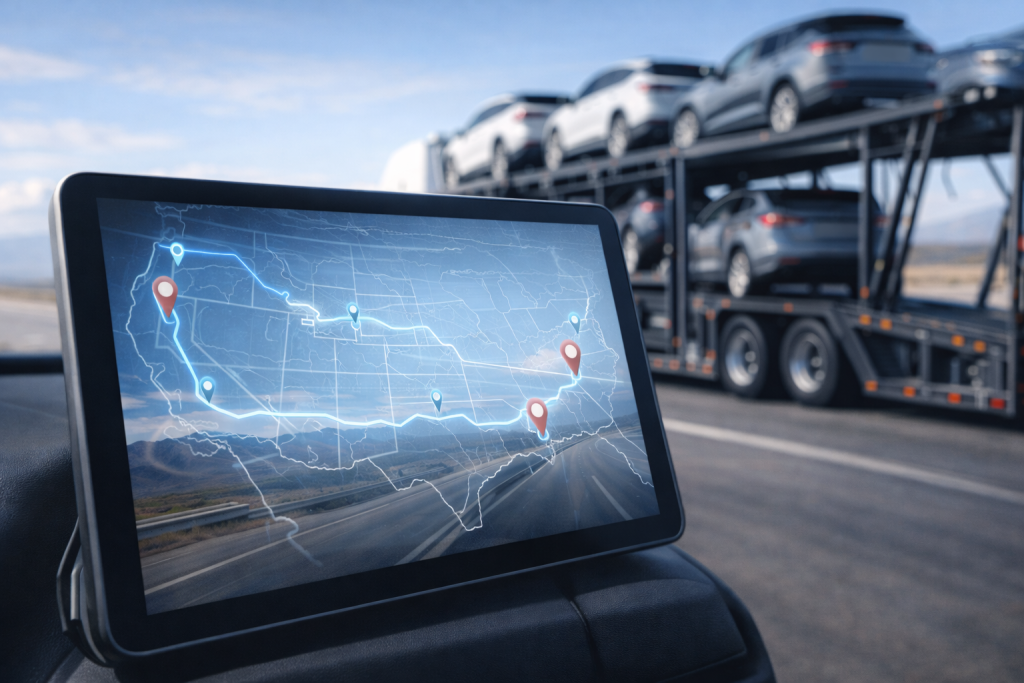
Auto transport drivers use the same GPS apps I do

While navigation apps like Google Maps or Apple Maps are great for personal vehicles, professional car haulers rely on commercial-grade truck navigation systems.

These systems account for:

  • Vehicle height and length

  • Total weight of the carrier and cargo

  • Restricted roads and truck-only routes

  • Fuel efficiency and legal driving limits

This ensures the route is safe, legal, and efficient for a multi-vehicle carrier—not just the shortest path on a smartphone app.

Car carriers take the same routes as regular cars

Car carriers cannot use every road that passenger vehicles can. Many city streets, bridges, tunnels, and residential areas have weight or height restrictions that prevent large transport trucks from passing safely.

A fully loaded car carrier can exceed 13 feet in height and weigh tens of thousands of pounds. If a route includes low-clearance bridges or restricted roadways, the driver must take an alternate path—even if it appears longer on a map.

This is why tracked routes may look indirect but are often the safest option available.

The shortest route is always the fastest

In auto transport, the fastest route is not always the shortest one. Drivers plan routes that:

  • Accommodate multiple pickups and deliveries

  • Avoid restricted or unsafe roads

  • Align with delivery windows for other customers

For example, your vehicle may briefly stop in another city to complete a scheduled delivery or pickup. These planned stops are factored into your estimated delivery timeframe.

Pickup and delivery can happen anytime

Unlike parcel delivery services, vehicle transport requires direct coordination with customers. Pickup and delivery times depend on:

  • Customer availability

  • Safe access for large transport trucks

  • Local traffic and parking restrictions

Drivers may experience downtime while waiting for a customer, loading or unloading vehicles, refueling, completing inspections, or taking federally mandated rest breaks. These pauses are a normal part of professional auto transport.

While real-time tracking is helpful, it’s only one piece of the picture. Here are additional ways to stay informed during your vehicle shipment.

At Payless Auto Shipping Services, our team serves as your primary point of contact throughout the shipping process. If you have questions about your vehicle’s status, route, or delivery window, our coordinators can provide timely updates based on carrier reports.

Some customers choose to place personal tracking devices such as AirTags or Tiles inside their vehicles. These devices can provide an added layer of visibility, but it’s important to understand their limitations:

  • Updates may lag or appear inconsistent

  • Location data depends on nearby devices

  • Carrier updates are based on logistical milestones, not exact GPS points

Personal trackers can be useful supplements, but they should not replace professional shipment updates.

Knowing how long it typically takes to ship a vehicle helps set realistic expectations. Delivery timelines are influenced by:

  • Total distance traveled

  • Weather conditions

  • Road construction or traffic delays

  • Scheduling changes along the route

Your estimated delivery window accounts for these variables, but slight adjustments can occur during transit.

Can I Track My Vehicle Shipment?

Yes. While not every shipment includes live GPS tracking, you can always receive updates through your transport coordinator or carrier. Shipment status updates provide reliable information on your vehicle’s progress.

Is There an Extra Cost to Track My Vehicle?

No. Tracking updates and shipment status communication are part of our standard service at Payless Auto Shipping Services.

What Does “In Transit” Mean?

“In transit” means your vehicle has been picked up by the carrier and is actively moving toward its destination. This status also includes necessary stops for loading, unloading, inspections, rest breaks, and maintenance.

Shipping a vehicle doesn’t have to be stressful. With the right expectations and a trusted transport partner, the process can be smooth and predictable.

Payless Auto Shipping Services works with a nationwide network of licensed and insured carriers to safely transport cars, trucks, SUVs, motorcycles, and specialty vehicles across the U.S. Our experience, transparent communication, and customer-first approach ensure your vehicle arrives safely and on schedule.

👉 Request a free auto transport quote today and let our team guide you through every step of the shipping process.

Related Articles

No more posts to show

Free Auto Shipping Cost Calculator