
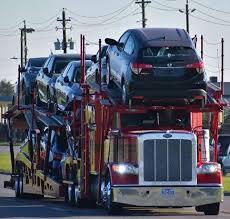

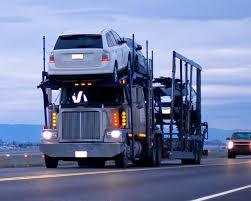
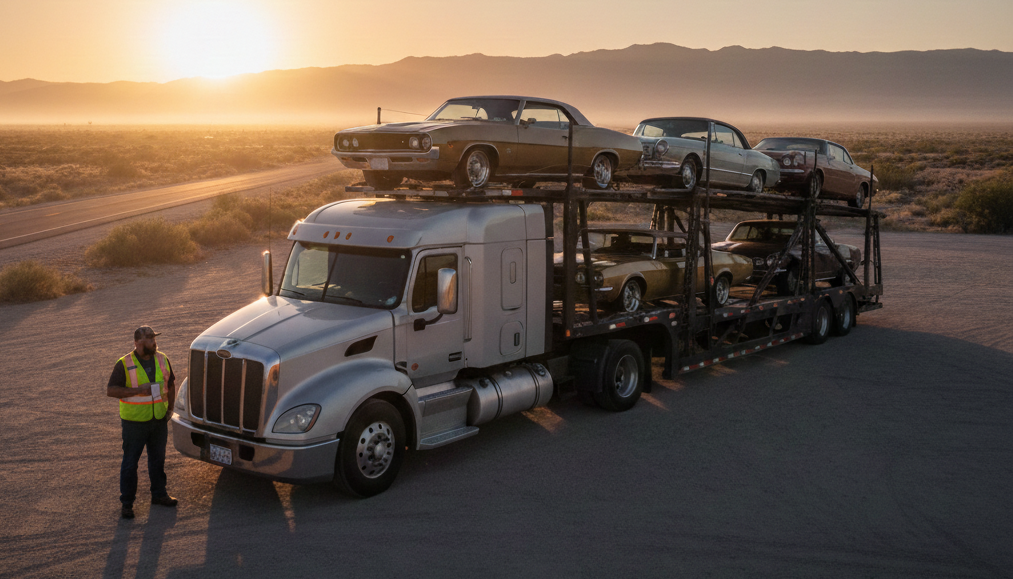
Discover what a typical day looks like for an auto transport trucker—from loading vehicles to delivery, safety rules, and life on the road.

contact@paylessautoshippingservices.com
December 16, 2025
7 min(s) to read
Technology continues to transform the trucking and auto shipping industry. Tools such as GPS tracking, digital dispatch platforms, cloud-based load boards, electronic documentation, and online payment systems have made vehicle transport more efficient and transparent.
At the same time, this increased reliance on digital systems has expanded the industry’s exposure to cyber threats. In 2026, cybercriminals are targeting trucking companies, auto transport brokers, carriers, and dispatchers more frequently than ever—regardless of company size.
Even everyday online spaces used for communication or networking can expose businesses to scams and fraud. Many platforms lack sufficient moderation, making it easier for attackers to impersonate legitimate businesses and steal sensitive data.
If you believe your auto shipping business is too small to be targeted, think again. Smaller companies often lack dedicated cybersecurity resources, making them appealing targets for cybercriminals.
This guide explains why cybersecurity is critical for the trucking and auto transport industry and outlines practical steps you can take to protect your business, customers, and revenue.
Many trucking and auto shipping businesses underestimate their value to hackers. This false sense of security makes them more vulnerable.
Cybercriminals target auto transport companies because they often store:
Customer names, addresses, and contact details
Payment and billing information
Driver credentials, DOT numbers, and MC numbers
Contracts, load confirmations, and shipping records
Financial and tax documentation
Hackers may steal this data to commit fraud, sell it, impersonate legitimate carriers, or hold systems hostage through ransomware attacks.
The trucking industry moves more than 70% of freight in the United States, making it a critical part of the national economy. Auto shipping companies support this infrastructure by transporting vehicles for individuals, dealerships, auctions, and businesses nationwide.
A cyberattack can:
Disrupt dispatch and scheduling systems
Delay vehicle pickups and deliveries
Cause financial losses and legal exposure
Damage customer trust and brand reputation
Even a brief system outage can lead to missed deadlines, lost contracts, and unhappy customers.
Understanding common attack methods can help reduce your risk.
1. Customer Data Theft
Hackers may access internal databases or online systems to steal customer information and use it for fraud or extortion.
2. Identity Theft and Impersonation
Cybercriminals may steal DOT numbers, MC numbers, or insurance documents and pose as legitimate carriers or brokers, leading to load fraud and unpaid shipments.
3. Ransomware Attacks
Important business data—such as financial records, contracts, and dispatch logs—may be encrypted and held for ransom.
4. Website and System Takeovers
Attackers may gain control of your website or internal systems and demand payment to restore access.
5. Theft of Intellectual Property
Logos, images, brand assets, and proprietary processes may also be stolen or misused.
In many cases, cybercriminals remain undetected for weeks before the damage becomes apparent.
Begin by reviewing your existing systems, software, and data storage practices. Identify vulnerabilities where sensitive information may be exposed.
Larger companies may rely on internal IT teams, while smaller auto transport businesses often benefit from third-party cybersecurity assessments. Preventive measures are far less costly than recovering from a breach.
A strong cybersecurity plan should include:
Firewalls and antivirus software
Secure login credentials for all users
Role-based access controls
Clear policies for handling sensitive data
If cybersecurity management feels overwhelming, partnering with IT professionals can help ensure your systems are properly protected.
Phishing remains one of the most common attack methods. Be cautious of:
Emails from unfamiliar senders
Urgent requests for credentials or payments
Unexpected links or attachments
Legitimate companies will never request sensitive information via email. Always verify before clicking or responding.
Encourage employees to create strong, unique passwords that include letters, numbers, and symbols. Passwords should be updated regularly.
Multi-factor authentication (MFA) adds an extra layer of protection by requiring additional verification, such as a one-time code, before granting access.
Social media groups, forums, and messaging apps are useful for networking but risky for conducting business. These platforms are often targeted by scammers posing as dispatchers or brokers.
Criminals may request DOT numbers, insurance certificates, or login details and then use them to commit fraud under your business name.
To reduce risk:
Use reputable load boards
Verify broker and carrier credentials
Share sensitive information only through secure channels
System and software updates often include important security patches. Ignoring updates leaves your systems vulnerable to known threats.
While updates may be inconvenient, they are one of the simplest and most effective ways to strengthen cybersecurity.
Whether your auto shipping business already has security measures in place or is just beginning to implement them, investing in cybersecurity is essential.
Protecting your systems helps safeguard:
Your customers’ information
Your carriers and partners
Your finances
Your company’s reputation
A single cyberattack can cost tens of thousands of dollars—or more. Prevention is always the smarter investment.
Payless Auto Shipping Services is a trusted vehicle transport company providing reliable and affordable car shipping solutions across the United States. With a nationwide network of vetted carriers and a commitment to safety, transparency, and technology-driven efficiency, we help customers ship vehicles with confidence.
Learn more about Payless Auto Shipping Services and how we keep your vehicles—and your data—secure every step of the way.

Discover what a typical day looks like for an auto transport trucker—from loading vehicles to delivery, safety rules, and life on the road.

Learn the licenses, permits, and requirements needed to become an auto transporter. Understand CDL, FMCSA, USDOT, and MC numbers.