


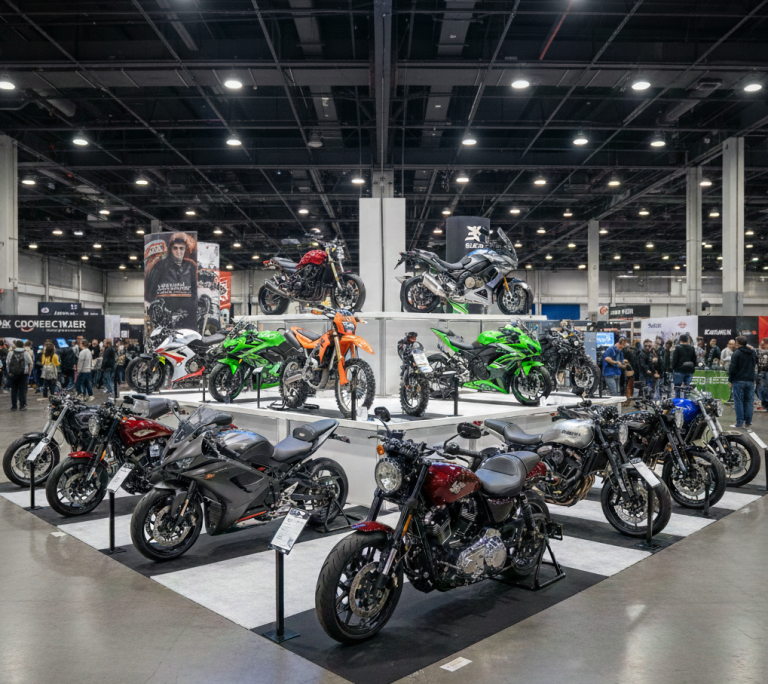
Motorcycles
Discover the most popular motorcycle brands, best-selling bikes, and top types in the U.S. Ship your motorcycle safely and affordably with Payless Auto Shipping.
contact@paylessautoshippingservices.com
Posted on : 08/12/2025
8 min(s) to read
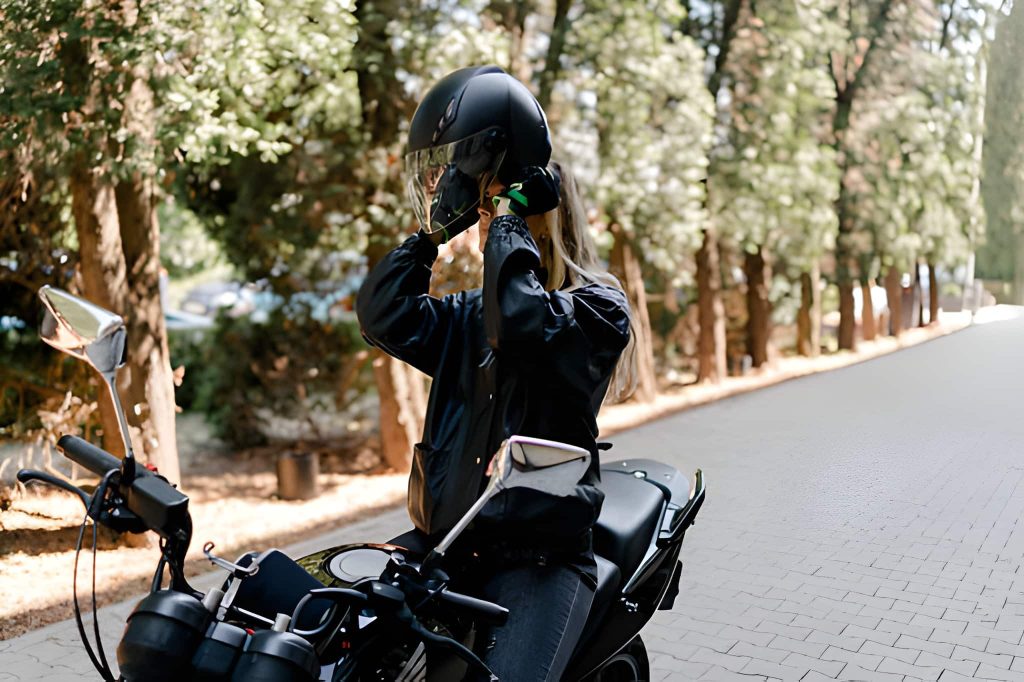
Motorcycles offer freedom, excitement and an unbeatable riding experience—but they also require more awareness and responsibility than standard vehicles. Whether you’re a new rider or a seasoned motorcyclist, practicing key safety habits can significantly reduce risks and make every ride more enjoyable.
This guide covers the most important motorcycle safety tips, from choosing the right gear to maintaining your bike and staying alert on the road.
The right protective gear can save your life. Always suit up with:
DOT-approved helmet
The most essential piece of gear—protects your head in a crash and reduces wind noise and fatigue.
Protective jacket & pants
Choose abrasion-resistant materials such as leather, Kevlar or reinforced textile.
Gloves
They protect your hands from injuries, improve grip and reduce vibration.
Riding boots
Over-the-ankle boots protect your feet and provide better control on the pedals.
High-visibility gear
Bright colors and reflective strips help drivers see you sooner.
A quick pre-ride inspection helps prevent breakdowns and accidents. Check:
Tires: Air pressure, tread condition and cracks
Brakes: Both front and rear responsiveness
Lights: Headlights, brake lights and turn signals
Chain & cables: Proper tension and lubrication
Fluid levels: Engine oil, brake fluid and coolant
This routine takes only a few minutes and ensures your bike is road-ready.
Riding a motorcycle requires skill and balance. Practice these fundamentals:
Maintain a safe following distance
Motorcycles stop faster than cars—keeping space prevents rear-end collisions.
Use both brakes smoothly
Apply both the front and rear brakes to maintain control.
Corner with proper technique
Slow before the turn, lean with the bike and accelerate smoothly.
Avoid sudden movements
Quick swerves or panic braking can cause loss of control.
Stay out of blind spots
Large vehicles often can’t see motorcycles. Position yourself where you’re always visible.
Many motorcycle accidents happen because riders are not seen in time. Make your presence known:
Ride with your headlights on
Use turn signals early
Make eye contact with drivers at intersections
Avoid weaving through traffic
Don’t rely on other drivers to react correctly
Being predictable helps reduce risks significantly.
Intersections are the #1 danger zone for motorcycle riders.
Tips:
Slow down and cover your brakes
Watch for cars turning left
Look twice before proceeding
Anticipate unexpected movements from drivers
Never assume other drivers see you.
Weather has a major impact on motorcycle handling.
Rain:
Roads are most slippery during the first 10–15 minutes
Reduce speed and increase braking distance
Avoid painted lines and metal surfaces
Wind:
Lean into strong winds
Maintain a firm grip on handlebars
Cold:
Tires lose grip
Wear insulated gear to stay warm and focused
If conditions are too dangerous—wait it out.
Alcohol, drugs and fatigue impair judgment, reaction time and coordination.
Avoid riding when:
You are tired
You are emotionally distracted
You have consumed any impairing substance
Your mental state is one of the most important safety factors.
Even experienced riders benefit from refresher courses.
A safety class teaches:
Emergency braking
Obstacle avoidance
Cornering techniques
Defensive riding skills
Many states also offer insurance discounts for completing certified classes.
Routine maintenance prevents mechanical failures on the road.
Essential maintenance tasks:
Oil and filter changes
Brake pad inspection
Chain cleaning and lubrication
Tire replacement
Battery checks
Schedule regular professional servicing if you ride often.
Before long rides:
Check the weather
Look at traffic and road conditions
Share your route with someone
Carry basic tools and first-aid supplies
Preparation helps avoid unexpected risks.
Motorcycle safety is all about awareness, preparation and the right protective gear. By following these essential tips, you can enjoy every ride with more confidence, control and peace of mind.
If you ever need help shipping your motorcycle safely, Payless Auto Shipping Services is here to help with:
Enclosed motorcycle transport
Door-to-door delivery
Secure, insured shipping
Ready to transport your motorcycle?
Get a free quote today!
Discover the most popular motorcycle brands, best-selling bikes, and top types in the U.S. Ship your motorcycle safely and affordably with Payless Auto Shipping.
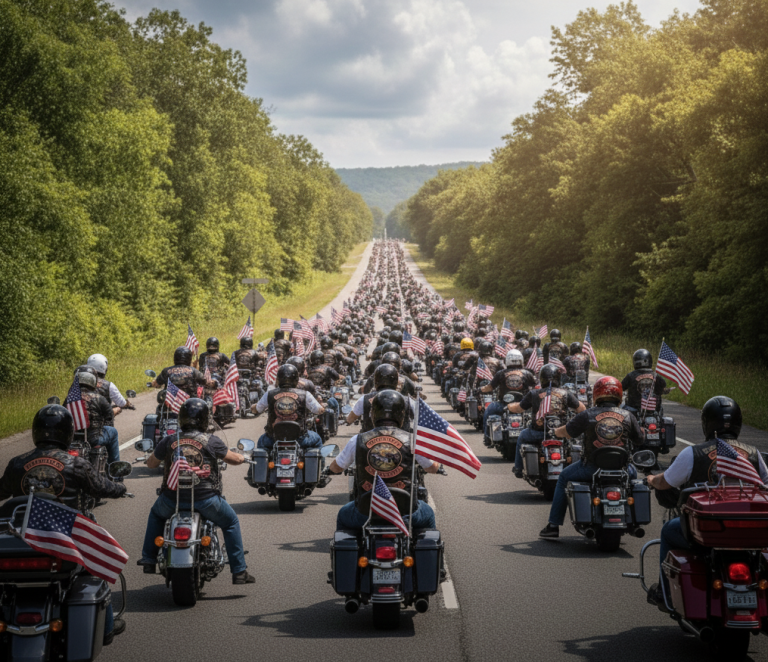
Explore the biggest motorcycle rallies happening in 2026, including Daytona, Sturgis, Laconia, and more. Plan your trip and ship your bike safely with Payless.