
(877) 786-1789

contact@paylessautoshippingservices.com

What To Do if Your Car Is Flooded | Payless Auto Shipping

November 28, 2025

5 min(s) to read

what to do if your car is flooded

Table of Contents

Flooding can cause tremendous damage—not only to homes and property but also to vehicles. When a car has been submerged or exposed to floodwater, the effects can be overwhelming, leaving many owners unsure about what to do next.
The good news? Acting quickly and taking the right steps can help prevent further damage and sometimes save the vehicle from being totaled. Below, we’ll walk you through what to do if your car has been flooded and how to protect it moving forward.

What to do when your car is flooded

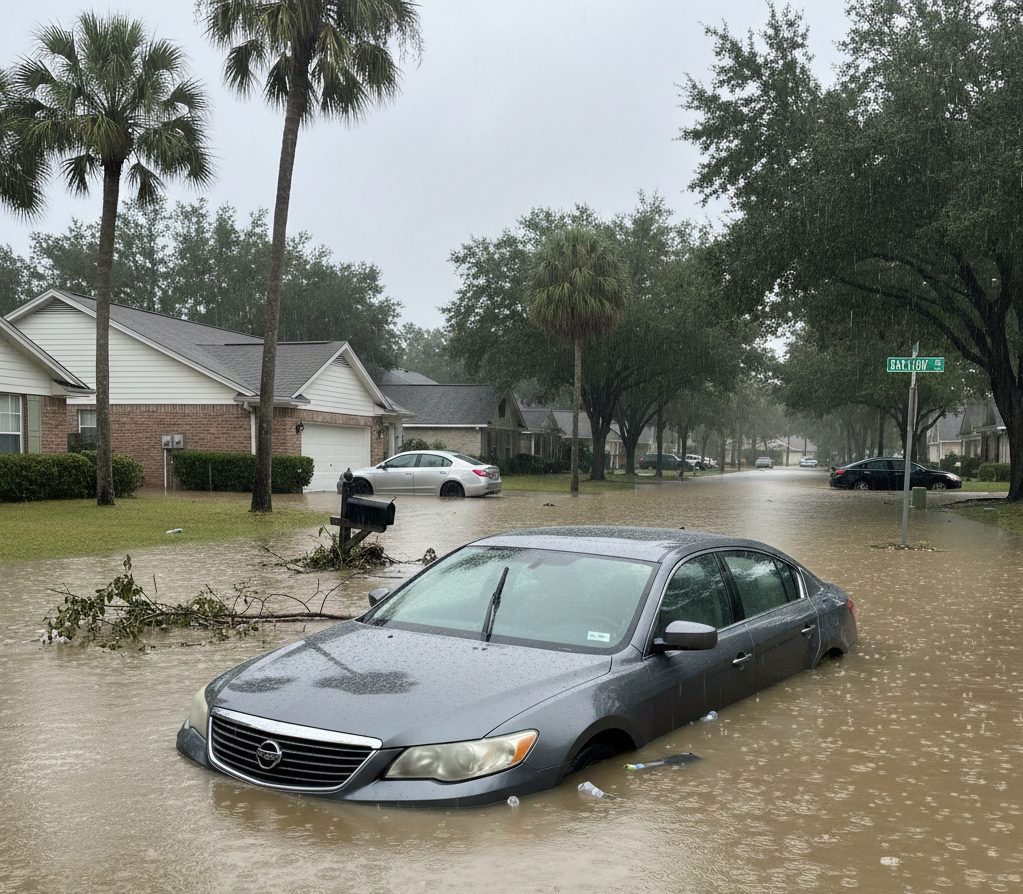
Flood damage is often more serious than it appears. Even if the vehicle looks fine from the outside, water can seep into the engine, electrical system, upholstery, and vital components. Some damage may not even show up until weeks or months later.

If your vehicle experienced flooding, your first priority should be safety—then preservation. Unless you’re an experienced mechanic, avoid diagnosing the problem yourself. Flood-damaged cars can be hazardous.

Before a professional inspects your vehicle, follow these crucial steps.

Do not start your car

Even if the water level was low, never attempt to start a flooded vehicle. Turning the key can force water deeper into the engine and cause catastrophic damage. Instead:

  • Avoid driving or cranking the engine

  • Check where the water line reached

  • Arrange a tow instead of driving the vehicle

Tip:
If the water stayed below the bottom of the doors, damage may be minimal. But if the water reached the dashboard or fully submerged the vehicle, it may be considered a total loss by insurance.

Remove water

The faster you remove moisture, the better your chances of preventing mold, corrosion, and electrical failure.

Here’s what you can do right away:

  • Use a wet/dry vacuum to remove standing water

  • Blot seats, carpets, and mats with absorbent towels

  • Run fans or dehumidifiers to speed the drying process

  • Remove floor mats, cushions, and removable seats to dry outside

Acting quickly can help prevent long-term issues like rust, odor, and mildew growth.

Check the fluids

Floodwater can contaminate engine oil, transmission fluid, brake fluid, and fuel.
If you see milky coloration, water droplets, or unusual levels in any fluid reservoirs:

  • Do not start the vehicle

  • Have the fluids drained and replaced

  • Let a mechanic assess internal engine or transmission damage

Driving with contaminated fluids can destroy the engine in minutes.

Check the interior

Flooding often impacts your car’s electronics more than anything else.
Once the interior has dried enough:

  • Test door locks

  • Check headlights and turn signals

  • See if power windows respond

  • Test the radio, interior lights, and dashboard functions

If anything behaves strangely—slow response, flickering, or no power—leave it to a professional technician. Waterlogged electrical systems can be dangerous.

Vehicle damage caused by flooding

Depending on the depth and type of water exposure, damage may include:

  • Exterior fading, bubbling paint, or rust

  • Mold inside seats, carpet, and interior panels

  • Mud or sediment buildup in footwells

  • Electrical failure of wires, fuses, sensors, and switches

  • Strong musty odor

  • Engine deterioration or corrosion

These issues can worsen over time if not addressed promptly.

Repair options for a flood-damaged car

Not all flood damage is equal. Some problems are affordable to fix, while others may exceed the car’s value.

Minor cosmetic damage

Issues like light mold, stained upholstery, or rust spots can often be repaired at a lower cost.

Electrical or engine damage

This is where repairs become expensive. Electrical systems are extremely sensitive to water, and engines damaged by water intrusion may require major work.

Severe damage

In some cases, especially if water reached the dashboard or the engine was submerged, it may not be cost-effective to repair the vehicle.
If you choose to sell it to a salvage yard:

  • Get an appraisal for accurate value
  • Keep your vehicle title and required documents ready
  • Remove personal items and aftermarket accessories
  • If the vehicle can’t be driven, schedule a tow or transporter

Never disassemble the vehicle yourself unless you are skilled in auto repair.

More tips and precautions for water damage

Preparing ahead of time can help protect your vehicle from future floods:

  • Avoid low-lying parking areas during storms

  • Stay updated on weather alerts during hurricane season

  • Keep important documents in waterproof storage

  • Install protective floor liners to reduce interior damage

  • Learn how to spot signs of water damage when buying a used car

These habits can save you thousands in repairs.

FAQs

Can a flooded car be fixed?

Yes—depending on how quickly you act and how severe the flooding was. Avoid starting the engine, remove water immediately, and let a professional inspect it.

How long will a flooded car last?

If properly repaired, a flooded vehicle can last many years. Untreated water damage may shorten its lifespan to weeks or months.

Is a car ruined if it goes underwater?

Not always. A submerged vehicle requires extensive cleaning, fluid replacement, electrical repairs, and long-term corrosion monitoring. While expensive, restoration is possible in some cases.

Safely move your flooded vehicle

If your car has been flood-damaged, you’ll need a safe way to move it without causing further harm. Since you should never start a flooded engine, towing or professional transport is the best option.

At Payless Auto Shipping Services, we specialize in moving:

Our certified carriers can safely transport your flood-damaged vehicle to any repair shop, salvage location, or storage facility nationwide.

Get started with a free instant quote or speak with one of our vehicle shipping advisors today. We’re here to help you move your car quickly, safely, and affordably.

Related Articles

Top 4 Reasons Why People Are Moving to Florida in 2025
Moving & Relocation
Top 4 Reasons Why People Are Moving to Florida in 2025

Discover why People are moving to Florida—from warm weather and booming job opportunities to endless entertainment and lower taxes. Learn the top reasons people move to Florida and how Payless Auto Shipping Services can help you ship your car safely and affordably.
Read More »
No more posts to show

Free Auto Shipping Cost Calculator